


FOLLOW US ON SOCIAL MEDIA
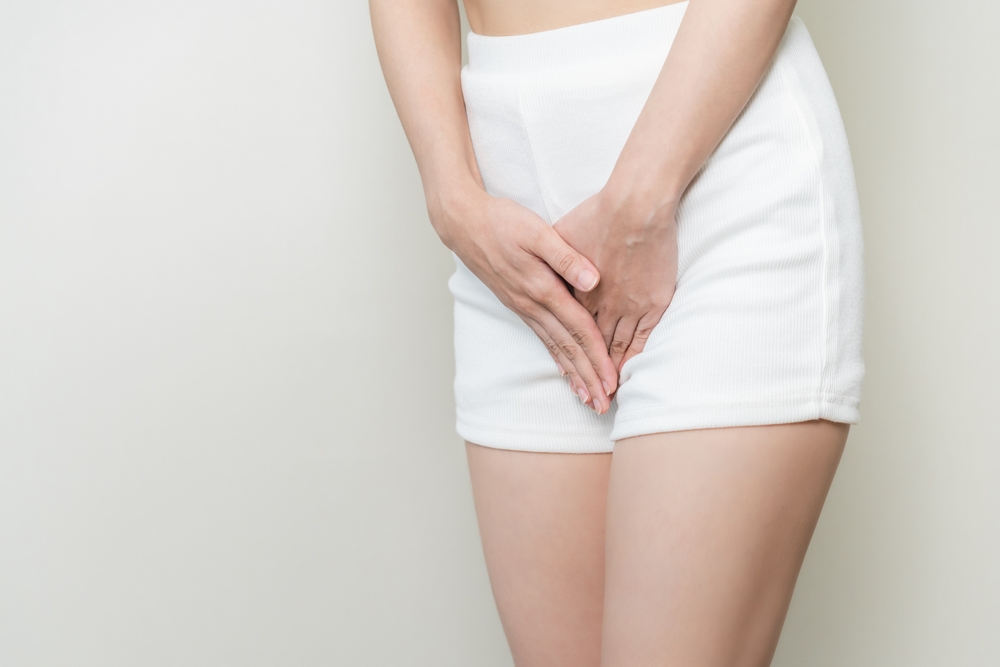
Yeast Infections and Underwear: Fabric Choices That Matter
Itching, irritation and a thick white discharge: if you have had a yeast infection, you know how disruptive it can be. And if they keep coming back, you have probably wondered whether something in your daily routine is to blame. Your underwear is a reasonable place to start. Fabric and fit will not cause or cure a yeast infection on their own, but they can affect the warm, damp conditions that let yeast overgrow. Here is what Dr. Alex Tepper and Dr. Gabi Tepper, DNP, CNM, tell patients at their Upper East Side practice.
What Makes Yeast Overgrow
A small amount of yeast, called Candida, normally lives in the vagina alongside healthy bacteria. A yeast infection happens when the balance shifts and yeast multiplies. Common contributors include:
- Antibiotics, which can reduce protective bacteria
- Hormonal changes from pregnancy, birth control or the menstrual cycle
- Diabetes or high blood sugar
- A weakened immune system
- Heat and moisture trapped against the skin
That last factor is where clothing comes in.
Fabric by Fabric
Cotton
Breathable and absorbent, cotton lets air circulate and moisture escape. Underwear with at least a cotton crotch lining is a good everyday choice, especially if you are prone to infections.
Synthetic Fabrics
Nylon, polyester and spandex can hold heat and moisture close to the skin. They are fine for many people, but if you get frequent infections, you may want to limit how long you wear them, particularly in warm weather or during long workdays.
Moisture-Wicking Workout Gear
Technical athletic fabrics are designed to move sweat away from the skin, which can help during exercise. The bigger issue is staying in sweaty clothes afterward. Change out of workout clothes and swimsuits as soon as you can.
Silk and Lace
These are fine for occasional wear. If you are dealing with irritation or recurring infections, save them for shorter stretches and choose breathable options most of the time.
Fit and Laundry Matter Too
- Choose a comfortable fit. Very tight underwear, leggings or jeans can trap heat and rub irritated skin.
- Sleep without underwear or in loose cotton to let the area breathe overnight.
- Use a gentle, fragrance-free detergent and rinse well, since some detergents and fabric softeners can cause irritation that feels like an infection.
- Change daily, and more often if you sweat a lot.
Habits Beyond Your Underwear Drawer
- Avoid douching and scented sprays, washes or pads, which can disrupt the natural balance
- Wash the outer area with warm water and a mild, unscented cleanser
- Wipe front to back
- Keep blood sugar in range if you have diabetes
When Over-the-Counter Treatment Is Not the Answer
Many people treat a suspected yeast infection on their own, but symptoms that look like yeast are not always yeast. Bacterial vaginosis, other infections and skin irritation can feel similar and need different treatment. It is a good idea to be seen if:
- It is your first suspected yeast infection
- Over-the-counter treatment has not cleared your symptoms
- You have four or more infections in a year
- You are pregnant
- You have unusual odor, fever, pelvic pain or sores
An exam and a simple test can confirm what is going on so you get the right treatment. Read more about changes in vaginal discharge and when to call.
Yeast Infections During Pregnancy
Yeast infections are more common during pregnancy because of higher hormone levels. They are usually not dangerous, but treatment is different. Some oral antifungal medications are generally avoided in pregnancy, and topical treatments are often preferred. If you are pregnant and notice symptoms, call your provider before using anything over the counter.
What Recurring Infections Can Mean
Having four or more yeast infections in a year is called recurrent vulvovaginal candidiasis. It is more common than many people realize, and it is treatable. An evaluation may include confirming the type of yeast, since some types respond better to certain medications, and checking for contributing factors such as blood sugar, hormonal birth control or frequent antibiotic use.
Treatment for recurring infections may involve a longer course of medication followed by a maintenance plan. Your provider can also review daily habits, including the fabric and fit tips above, to lower the chance of the next one.
Keep a Simple Symptom Log
Before your visit, jot down when symptoms start, what you used to treat them, whether you recently took antibiotics and where you were in your cycle. Patterns often become clear on paper and can help guide treatment.
Personal Care, Without the Wait
Dr. Alex Tepper is a board-certified OB/GYN who has practiced on the Upper East Side since 2000. Dr. Gabriella “Gabi” Tepper, DNP, CNM, supports women from adolescence through pregnancy and beyond, with a focus on listening and shared decision-making. Both offer concierge-style gynecology care at the practice on East 96th Street, with an approach built around taking time with each patient. Learn more about the team.
Stop Guessing About Recurring Symptoms
If yeast infections keep coming back, an evaluation can help find out why and build a plan to prevent the next one. Phone the practice or request an appointment online.
About Me

Dr. Alex Tepper is a board-certified OB/GYN who has served women on the Upper East Side of Manhattan for over 20 years, providing personalized care with all deliveries at The Mount Sinai Medical Center. He is joined by Dr. Gabriella Tepper, DNP, CNM, a Columbia University–trained certified nurse-midwife who supports women through every stage of life with a compassionate, patient-centered approach. Together, they combine experience, accessibility, and individualized care to support women’s health at every phase.




BOOK AN APPOINTMENT
Whether you are a new or returning patient, Dr. Tepper can assess your concerns and discuss your options to find the most comfortable and convenient care for you. To get started, call our office to set up an appointment.
CALL FOR APPOINTMENT BILLING & INSURANCE