FOLLOW US ON SOCIAL MEDIA
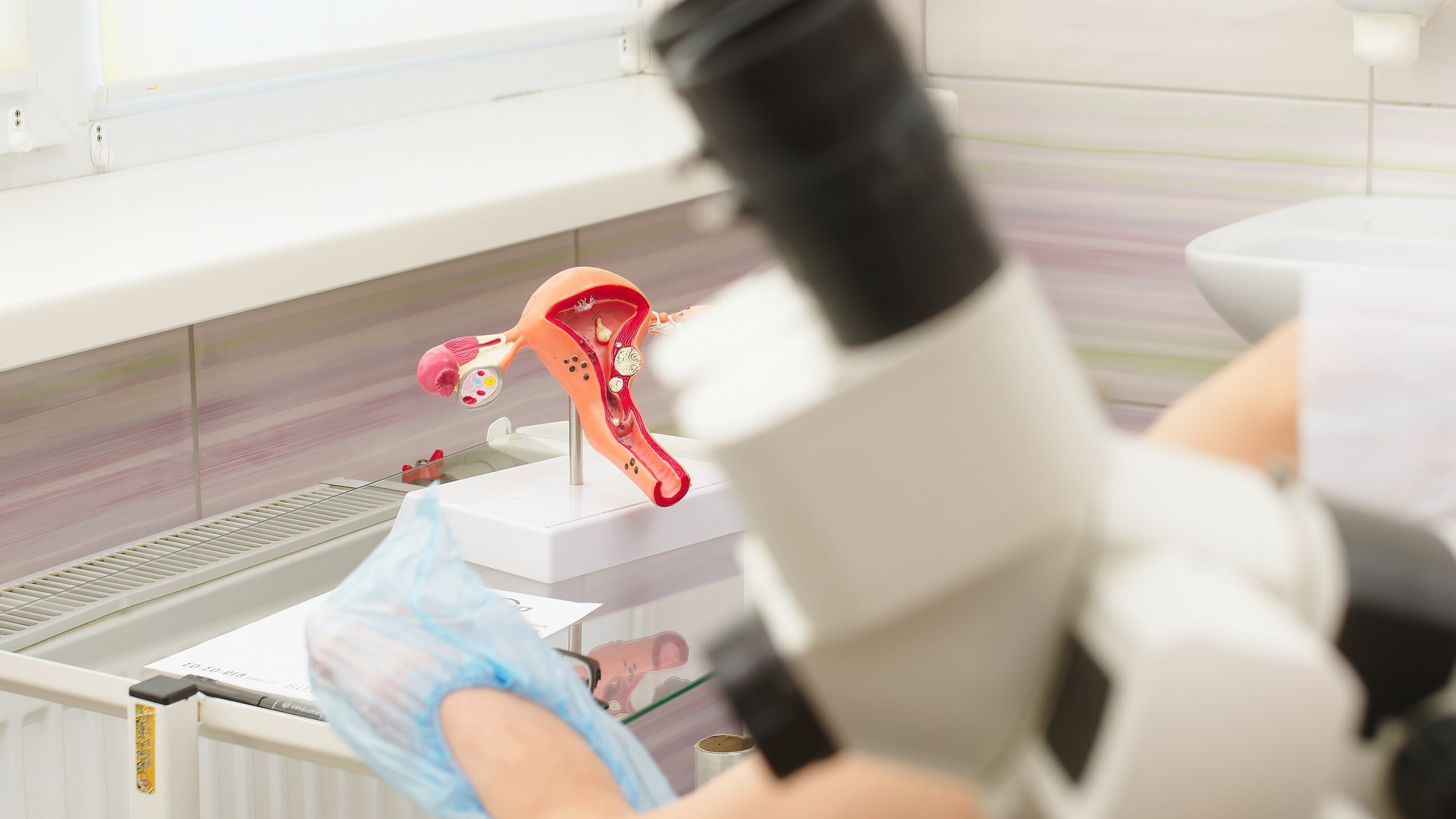
If your healthcare provider has recommended a colposcopy in New York, NY, you likely have questions about what the procedure involves, how to prepare, and what comes next. A colposcopy is a closely focused examination of the cervix, vagina, and vulva that allows your doctor to evaluate abnormal cells identified during a Pap smear or pap test. It is a widely performed, safe procedure that gives your provider a clearer picture of your cervical health and whether further testing or follow-up is needed.
With this guide, we will be covering everything from understanding colposcopy and what happens during the exam to how to prepare, what a cervical biopsy involves, and how to interpret your results. If you would like to discuss your options with a specialist, contact Dr. Alex Tepper OBGYN at (212) 828-0900 today.
Understanding Colposcopy: What It Is and Why It Is Recommended
A colposcopy is a diagnostic procedure that allows your healthcare provider to closely examine the tissues of the cervix, vagina, and vulva using an instrument called a colposcope. The colposcope is a lighted, magnifying instrument that remains outside the body and provides a highly magnified view of the cervical surface, helping your doctor identify abnormal areas that are not visible to the naked eye during a routine pelvic exam.
Dr. Tepper may recommend a colposcopy following abnormal results on a Pap smear or Pap test. A pap smear screens for abnormal cells on the cervix, and when results are unclear or concerning, a colposcopy allows for a more detailed evaluation. Dr. Tepper may also recommend this procedure when a Pap test detects human papillomavirus (HPV) or when the cervix, vagina, and vulva appear unusual during a routine examination.
Other reasons a doctor may recommend colposcopy include the presence of genital warts, unexplained vaginal bleeding, or visible abnormal tissue on the cervix. It is important to understand that being referred for colposcopy does not mean you have cervical cancer. In many cases, the procedure confirms that no significant abnormality is present, or it identifies changes that can be monitored or treated early, which is precisely the goal of proactive cervical health screening.
The American College of Obstetricians and Gynecologists supports colposcopy as an essential tool in the evaluation of cervical abnormalities, and it is a standard component of gynecologic care for patients with abnormal screening results.
The Colposcopy Procedure Step by Step
Knowing what to expect during a colposcopy can help ease anxiety before your appointment. The procedure typically takes between 10 and 20 minutes and is performed in your doctor’s office. Most patients find it similar in sensation to a pelvic exam, though some experience mild discomfort during certain steps.
Positioning and Speculum Insertion
To start the process, you will be asked to lie on the examination table with your feet resting in stirrups, similar to the position used for a routine pelvic exam. Dr. Tepper will gently insert a speculum into the vaginal canal to hold the vaginal walls open, providing a clear view of the cervix. Speculum insertion may cause mild pressure or mild discomfort, particularly if you experience sensitivity in this area.
Examining the Cervix With the Colposcope
Once the cervix is visible, the instrument called a colposcope is positioned at the opening of the vagina. It does not enter the body. The colposcope uses a bright light and magnification to allow your provider to carefully inspect the surface of the cervix, vagina, and vulva for any abnormal areas or suspicious tissue. This portion of the exam experience is typically not uncomfortable since the device itself remains external.
Application of Solutions
Your healthcare provider will apply a mild solution to the cervix using a cotton swab or applicator. This step is a central part of the colposcopic examination. The solutions used help highlight abnormal tissue, making it easier to distinguish from healthy tissue during the exam.
How Acetic Acid Is Used During a Colposcopic Examination
One of the most important tools in a colposcopy procedure is acetic acid, the same compound found in household vinegar, but used here as a diluted medical preparation. Your healthcare provider will apply acetic acid to the surface of the cervix as part of the standard colposcopic examination. Understanding this step can help reduce any uncertainty you may feel during the procedure.
Why Providers Apply Acetic Acid
When providers apply acetic acid to cervical tissue, the mild solution causes abnormal cells to temporarily appear white or opaque. Healthy, normal tissue does not react the same way. This contrast is what allows your doctor to visually identify suspicious areas that may warrant further evaluation or a tissue sample. The acetic acid solution acts essentially as a highlighting agent, making abnormal tissue more visible under the magnified view of the colposcope.
What the Application Feels Like
Patients sometimes notice a slight burning sensation when the acetic acid is applied, particularly if the cervical tissue is already irritated. This sensation typically resolves within a few seconds. The vinegar solution itself is diluted and poses no risk to surrounding tissue when used as directed in a clinical setting. Dr. Tepper will let you know before applying any solution, so you are not caught off guard.
In some cases, a second solution called Lugol’s iodine may also be applied. This solution helps highlight additional abnormal areas that acetic acid may not fully reveal, and it works by a similar principle: Normal tissue absorbs the iodine and stains dark brown, while abnormal tissue does not absorb it and remains unstained. The two solutions together give your provider the clearest possible view of the cervix during the colposcopic examination.
Cervical Biopsy and Endocervical Curettage During Colposcopy
If your healthcare provider identifies a suspicious area or abnormal tissue during the colposcopy, they may take a cervical biopsy: a small tissue sample from the cervix for laboratory analysis. Not every colposcopy results in a biopsy; whether one is needed depends entirely on what your provider observes during the exam.
What a Cervical Biopsy Involves
A cervical biopsy involves removing a small sample of tissue from the area of concern on the cervix. Your provider uses a small biopsy instrument to take a precise sample from the suspicious area identified during the exam. Most patients experience a brief sensation of pressure or mild cramping during the biopsy, similar in feeling to menstrual cramps, that passes quickly. The small tissue sample is then sent to a pathology laboratory for analysis.
Multiple small samples may be taken if more than one abnormal area is visible. Each biopsy site is carefully noted so your provider can correlate pathology results with the specific locations examined during the procedure.
Endocervical Curettage
In some cases, your healthcare provider may also perform an endocervical curettage (ECC) as part of the colposcopy procedure. Endocervical curettage involves using a small instrument to gently scrape tissue from inside the endocervical canal, the passageway between the outer cervix and the uterus. This step collects tissue from an area that the colposcope cannot directly visualize, helping ensure a thorough evaluation. ECC is associated with mild cramping and a brief sensation of pressure.
After the Biopsy
Dr. Tepper may apply a solution to the biopsy site to stop bleeding and promote clotting. A dark discharge is normal in the days following a biopsy and is typically the result of this solution. You may also experience light vaginal bleeding or mild spotting at the biopsy site for a few days. Your provider will give you specific aftercare guidance before you leave the office.
How to Prepare for Your Colposcopy Appointment
Preparing for your colposcopy appointment can make the experience more comfortable and ensure your provider gets the clearest possible view during the examination. Your healthcare provider will give you specific preparation instructions, and those instructions always take priority over general guidance.
Scheduling Considerations
It is generally advisable to avoid scheduling your colposcopy during your menstrual period. While a colposcopy can technically be performed at any point in the menstrual cycle, vaginal bleeding during the procedure can make it harder for your provider to visualize the cervix clearly and may interfere with the acetic acid solution’s effect on tissue. If your menstrual period arrives around your appointment date, contact your healthcare provider to discuss whether rescheduling is appropriate.
Before Your Appointment
In the 24 to 48 hours before your colposcopy, your provider will typically recommend avoiding sexual activity, the use of vaginal creams or vaginal medications, and the insertion of anything into the vagina, including tampons. These precautions help ensure the cervix and vaginal walls are in their natural state when examined, allowing for the most accurate colposcopic examination.
If you are concerned about discomfort during the procedure, you may ask your healthcare provider about taking an over-the-counter pain reliever such as ibuprofen approximately one hour before the appointment. A pain reliever can help reduce mild cramping associated with speculum insertion or biopsy. Always confirm this step with your provider in advance.
What to Bring and Expect
Plan to wear comfortable clothing you can change out of easily. Bring a sanitary pad to wear after the procedure in case of light spotting or discharge. Most patients can resume normal activities the same day following a colposcopy without biopsy. If a biopsy is taken, your provider may recommend a brief period of pelvic rest, avoiding sexual activity and tampon use, while the biopsy site heals.
Understanding Your Colposcopy and Biopsy Results
After your colposcopy, you will receive results in two stages: the visual findings your healthcare provider observed during the exam, and, if a tissue sample was taken, the pathology report from the laboratory. Understanding what these results mean helps you engage meaningfully in any follow-up care decisions.
Normal Results
Normal results indicate that your healthcare provider did not identify significant abnormal areas during the exam, and that any biopsy tissue shows no concerning cellular changes. Normal results are reassuring, though your provider will discuss the appropriate schedule for future Pap smears based on your overall history.
Abnormal Results
Abnormal results from a colposcopy or cervical biopsy indicate that some degree of cellular change was identified. Abnormal results cover a wide spectrum and do not automatically mean cancer is present. Your provider will classify any abnormal tissue according to the degree of change: low-grade changes may simply be monitored, while higher-grade changes may warrant further treatment. Biopsy results are typically categorized using terminology such as CIN (cervical intraepithelial neoplasia), with grades indicating the severity and depth of abnormal cells within the cervical tissue.
Next Steps After Abnormal Results
Depending on your biopsy results and the extent of abnormal areas identified, your healthcare provider may recommend a range of follow-up options. These may include a repeat Pap test or colposcopy at a defined interval, or further treatment to address the abnormal tissue. One common further treatment for higher-grade changes is the loop electrosurgical excision procedure (LEEP), which removes abnormal tissue from the cervix using a thin wire loop. Your provider will explain all further testing or treatment options thoroughly before any decisions are made, and your input in that conversation matters.
Recovery, Vaginal Bleeding, and When to Call Your Doctor
Recovery following a colposcopy is generally straightforward, especially when no biopsy is taken. Most patients leave the doctor’s office and resume normal activities the same day. Understanding what is expected versus what requires attention helps you feel confident managing the days following your procedure.
Expected Post-Procedure Symptoms
Light vaginal bleeding or spotting is common in the first few days after a colposcopy, particularly if a cervical biopsy was performed. You may also notice dark discharge from the biopsy site; this is typically the result of the solution used to stop bleeding during the procedure and is not a cause for concern. Mild cramping or pelvic pain similar to menstrual cramps may occur on the day of the procedure and typically resolves within 24 hours. Wearing a sanitary pad is recommended during this period.
Activity and Care After Colposcopy
Your healthcare provider will advise you on any restrictions following the procedure. In most cases, avoiding sexual activity and the use of vaginal medications or vaginal creams for a specified period (typically one to two weeks if a biopsy was taken) allows the biopsy site to heal properly. Light physical activity is generally acceptable; strenuous exercise may be temporarily limited based on your individual circumstances.
Following Symptoms That Require Medical Attention
While colposcopy is a generally safe procedure, these are the symptoms that should prompt you to contact your us immediately: heavy vaginal bleeding that saturates more than one sanitary pad per hour, fever above 100.4 degrees Fahrenheit, severe pelvic pain that worsens rather than improves, or foul-smelling discharge. Heavy vaginal bleeding or signs of infection require evaluation and should not be managed with home remedies alone. If you experience any of these symptoms, contact your provider right away. In the event of an emergency, call 911 or go to the nearest emergency room immediately.
Why Choose Alex Tepper OBGYN in New York, NY
When it comes to cervical health evaluations, including colposcopy and cervical biopsy, the experience and attentiveness of your healthcare provider make a meaningful difference in how supported you feel throughout the process. Dr. Alex Tepper is a board-certified OB/GYN with over 20 years in practice, serving patients from his private office since 2000. As a Fellow of the American College of Obstetricians and Gynecologists (FACOG), Dr. Tepper maintains the standards and continuing education expected of specialists committed to comprehensive gynecologic care.
As a solo practitioner, Dr. Tepper offers something increasingly rare in New York City: continuity of care. Every appointment, every colposcopy, every follow-up conversation happens with the same doctor, never a covering resident or rotating provider. His practice also operates on a concierge model with genuine 24/7 personal availability, so patients receiving abnormal results or awaiting biopsy results are never left without access to their doctor when they have questions.
Dr. Tepper also holds hospital privileges at both Mount Sinai Medical Center and Lenox Hill Hospital, and his practice serves patients throughout the Upper East Side, Carnegie Hill, Yorkville, and surrounding Manhattan neighborhoods. He is also fluent in Spanish and actively welcomes patients from the Latin American community.
Dr. Tepper and his team are here to help. Call (212) 828-0900 or schedule a consultation online.
Frequently Asked Questions About Colposcopy
How long does it take to receive biopsy results after a colposcopy?
Biopsy results typically return within one to two weeks after the procedure, depending on the laboratory. Your healthcare provider will notify you of your results and discuss what they mean for your care. If you have not heard back within two weeks, it is appropriate to follow up with your provider’s office directly.
Is a colposcopy the same as a pap smear?
No. A Pap smear is a screening test that collects cells from the cervix for analysis, while a colposcopy is a diagnostic procedure used when a Pap test or other evaluation returns abnormal results. The colposcopy allows your doctor to visually examine the cervix in detail and, if needed, obtain a tissue sample for further analysis. They serve complementary but distinct roles in cervical health evaluation.
Can I have a colposcopy if I am pregnant?
Colposcopy can generally be performed during pregnancy, and your healthcare provider may recommend it if a Pap smear returns significant abnormal results. The procedure is adapted for pregnant patients, and certain steps, such as endocervical curettage, are typically avoided during pregnancy due to the risk of complications. Your doctor will determine the safest and most appropriate approach based on your individual circumstances.
Will I need a loop electrosurgical excision procedure after my colposcopy?
Not necessarily. Whether further treatment, such as a loop electrosurgical excision procedure, is recommended depends entirely on your biopsy results and the degree of abnormal cells identified. Many patients have colposcopies that result in a monitoring plan rather than immediate treatment. Your healthcare provider will review your results with you and discuss all appropriate options before any further treatment decisions are made.
How much does a colposcopy cost, and is it covered by insurance?
The cost of a colposcopy varies based on whether a biopsy or additional procedures are performed during the appointment, as well as your specific insurance plan. Many commercial insurance plans cover colposcopy when it is recommended following abnormal screening results. At our office, we accept most major commercial insurance plans. For detailed information about your individual coverage, contact your insurance provider and speak with our office at (212) 828-0900.
Can colposcopy detect conditions other than cervical cancer?
Yes. While colposcopy is most commonly associated with the evaluation of abnormal cervical cells and potential precancerous changes, the procedure also allows your healthcare provider to examine the vaginal walls and vagina and vulva for other concerns. These may include noncancerous growths, signs of infection, genital warts, or other tissue changes that warrant evaluation. The colposcopic examination provides a comprehensive view beyond what a routine pelvic exam can offer.
What if my colposcopy does not find the source of my abnormal pap results?
In some cases, a colposcopy may not identify a visible suspicious area that corresponds to the abnormal results from a Pap smear. This may occur when abnormal tissue is located inside the endocervical canal beyond the visible cervix. In these situations, your healthcare provider may recommend endocervical curettage, a repeat procedure, or additional testing to ensure a thorough evaluation.
How often will I need colposcopy follow-up appointments?
The frequency of your follow-up appointments depends on your results and your overall health. Some patients require a repeat colposcopy in six to twelve months; others transition back to routine Pap smear screening after a period of clear follow-up results. Your healthcare provider will create a plan tailored to your situation, taking into account your biopsy results, HPV status, and overall medical history.
Schedule a Consultation
Now that you have a thorough understanding of the colposcopy exam, the most important next step is a personalized conversation with your doctor. Every patient’s cervical health picture is different, and a consultation with a specialist ensures you receive guidance tailored to your specific circumstances. Whether you have been referred for colposcopy in New York, NY, or you have questions about abnormal results from a recent pap test, Dr. Tepper is here to provide the attentive, experienced care you deserve. Contact us at (212) 828-0900 or visit our contact page to schedule your consultation today.
About Me

Dr. Alex Tepper is a board-certified OB/GYN who has served women on the Upper East Side of Manhattan for over 20 years, providing personalized care with all deliveries at The Mount Sinai Medical Center. He is joined by Dr. Gabriella Tepper, DNP, CNM, a Columbia University–trained certified nurse-midwife who supports women through every stage of life with a compassionate, patient-centered approach. Together, they combine experience, accessibility, and individualized care to support women’s health at every phase.